
Water pooling around your foundation is one of the most common—and most damaging—problems Dallas/Fort Worth homeowners face. As our region’s expansive clay soil absorbs and releases moisture, poor drainage can lead to foundation cracks, shifting, and costly structural repairs down the road. Lee Sprinkler & Drainage installs foundation drainage designed to channel water away from your home before it becomes a problem.
For more than 50 years, we’ve helped Metroplex homeowners protect their biggest investment. Our team evaluates your property’s grading, soil conditions, and existing drainage issues to design a system that keeps water moving away from your foundation year-round—giving you peace of mind through every heavy rain.
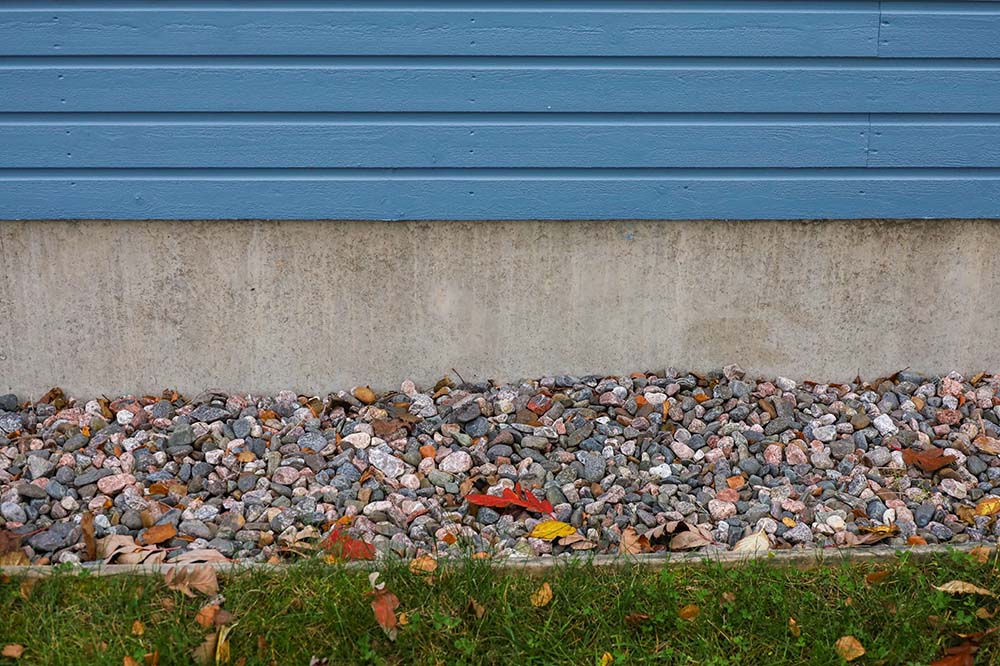
Expansive clay soil beneath most North Texas homes expands and contracts with moisture — like a sponge — and when drainage isn’t properly managed, water either pools near the foundation or migrates unevenly underground, both of which lead to structural stress over time.
Watch for small hairline cracks around doors and windows, doors or windows that stick or won’t operate smoothly, window separation, or larger visible cracks in the foundation, walls, or brick — these often become more noticeable depending on the season.
This refers to water movement underground that isn’t visible on the surface. When it happens near your foundation, it can cause the slab to heave, leading to both cosmetic and structural damage — which is why proper drainage design should account for what’s happening below ground, not just what you can see.
Depending on your property, we may recommend grading with low-profile inlets, grass swales, retaining walls, French drains, channel drains, or roof guttering systems — each designed to redirect water away from your slab and control soil erosion near the foundation.
Grading is an important piece — ensuring positive drainage that slopes water away from your home — but it’s usually most effective combined with other solutions like French drains or guttering, especially in areas with heavier clay soil or persistent standing water.